Whether you have an early draft, manuscript, essay, or a half-formed concept, I help shape it into clear, structured writing that conveys your voice, your perspective, and your unique human personality. I bring outside-the-box thinking that helps a project open up in unexpected ways.
Developmental editing and collaborative writing for complex, meaningful projects
I help thinkers, teachers, and memoirists to develop and complete substantial writing projects. We meet regularly and develop the material over time, moving from early form toward a book or other finished piece of writing.
Featured books and testimonials
"Joseph Waxman, who is always a pleasure to work with, organized these teachings into chapters, paragraphs, and sentences without fear this book wouldn't come."
"This book would not be possible without the in-depth work and sole dedication of Joseph Waxman. I want to thank him for patiently listening to these teachings, bringing out the key points, and stringing them together in a cohesive commentary."
"Joseph was an invaluable collaborator—fun, responsive, and patient in guiding us from a chaotic manuscript to one that clearly expressed what we most wanted to say. He has excellent instincts for the music of writing—not just the words—and a strong grasp of the entire process, including publication. Maybe best of all, he made me a better writer. I'm deeply grateful for the work we did together."
"Joseph has a singular capacity to listen and to ask questions that help me clarify what I'm thinking. He not only reflects my thoughts and ideas but also communicates my voice in a pitch-perfect tone. His incisive mind and genuine desire to understand things fully help him cut through to what's really important."
— Murray Nossel, founder of the World Mother Storytelling Project and author of Powered by Storytelling
"Joseph is an incredibly talented and professional collaborator. We worked together to build a book proposal from the ground up, and the process was both efficient and enlightening. He managed our timeline perfectly and helped me create high-level work product. I couldn't have asked for a better partner in re-envisioning my story."
Here are six books I've helped bring into the world as a collaborator and developmental editor. These projects grew out of long-term relationships with Dzigar Kongtrul Rinpoche and Pema Chödrön, and together they've reached a wide international audience.
Welcoming the Unwelcome (2019) has sold over 140,000 copies and was featured on Oprah Winfrey's Super Soul Sunday, and How We Live Is How We Die (2022) has sold over 100,000 copies and was featured on Oprah Daily.
These published books share a common subject, but the work itself—shaping material into clear, structured writing—extends across subjects and disciplines.
Dzigar Kongtrul Rinpoche
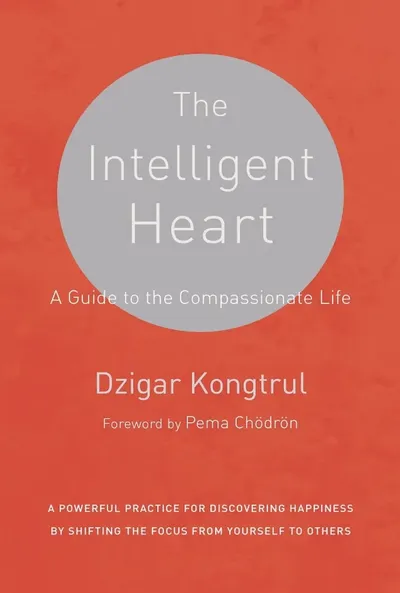
The Intelligent Heart (2016)
How to free ourselves from fear and anxiety by shifting our focus to the well-being of others. A modern commentary on the mind training slogans contained in "The Seven Points of Mind Training" by Tibetan master Chekawa Yeshe Dorje. Shambhala Publications
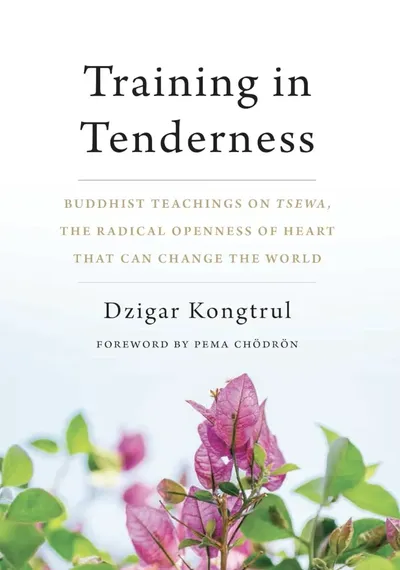
Training in Tenderness (2018)
About the joys, benefits, and challenges of developing unconditional love and compassion for all living beings. Shambhala Publications
Peaceful Heart (2020)
A complete toolkit of teachings for working with disturbing emotions, especially anger and jealousy. Based on the teachings of the eighth-century sage Shantideva. Shambhala Publications
Pema Chödrön
Welcoming the Unwelcome (2019)
How difficult circumstances can help us discover who we are. A crucial topic explored from every possible angle. 140,000+ copies sold. Oprah's Super Soul Sunday. Shambhala Publications
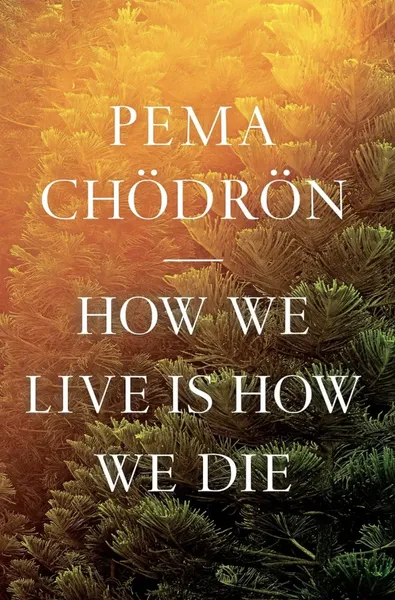
How We Live Is How We Die (2022)
How to overcome our fear of death by deepening our understanding of life. Based on ancient teachings on the bardos, the intermediate states of existence described by ancient and modern Buddhist meditators. 100,000+ copies. Oprah Daily. Shambhala Publications
Another Kind of Freedom (2026)
Pema Chödrön's personal commentary on the book that changed her life, Chögyam Trungpa's The Myth of Freedom. Shambhala Publications
Work Together
Every project is a fresh puzzle to solve. How we work together—how we meet, how material develops, and the level of my involvement—takes shape in response to the natural direction of the project and the creative dynamic between us.
Book Development
A sustained process of developing a manuscript from initial material through to a complete draft.
Draft Refinement
Working with an existing draft to reorganize, clarify, and strengthen it.
Ongoing Writing Partnership
Regular collaboration that provides continuity, accountability, and depth over time.
Ghostwriting
For authors who would like me to take on most of the writing, I can create your book while staying true to your voice, vision, and material. This work is based on conversations, interviews, and any existing notes or drafts you have.
How it happens
Most collaborations involve regular communication (Zoom, phone, voice messaging, email), with material developed and refined between sessions. The process is iterative, allowing the project to take shape organically.
Our work together typically includes
Establishing structure and overall arc
Organizing and refining existing material
Developing new material through conversation
Detailed editing at the sentence level
Maintaining continuity so the project keeps moving forward
Book proposals
I also help authors develop book proposals for submission to publishers, including shaping the concept, structuring the proposal, and developing sample chapters.
Getting started
We begin with a conversation about the project and what would be most useful. From there, we determine whether the work is a fit, what kind of structure makes sense, and how to begin.
I was born in Los Angeles, studied math and physics at Yale, and then set out to see the wider world, serving two years in the Peace Corps in southern Africa and later teaching English in a small town in Japan. In between, I worked as a healthcare reporter in Washington, D.C., and studied creative writing with Paul West, the novelist and memoirist best known for Words for a Deaf Daughter and Rat Man of Paris.
In 1999, I began studying with the Tibetan Buddhist teacher Dzigar Kongtrul Rinpoche, who later appointed me director of study and practice at his center in Vermont, where I've lived with my family for the last twenty years. From 2016 to 2020, I edited three of Rinpoche's books for Shambhala Publications, which eventually led to collaborations on three titles with Pema Chödrön. I've also appeared regularly as a featured speaker on The Link: Buddhism from the Practitioner's Perspective, where I speak about my experience in spiritual practice and how it meets everyday life.
My work now centers on helping writers and creators bring their ideas into clear, compelling form, offering structure, insight, and support that meets them where they are.
Contact
If you'd like to talk about a project, or simply see whether we might be a good fit, you can reach me at:
I only collect information that you choose to share with me, such as your name and email address when you reach out through my contact form or by email. I use this information solely to respond to your inquiry.
I don't share, sell, or disclose your information to anyone. My website may collect basic, anonymous analytics through my hosting provider to understand general site traffic, but nothing that identifies you personally.
If you have any questions about how your information is handled, you're welcome to contact me directly.